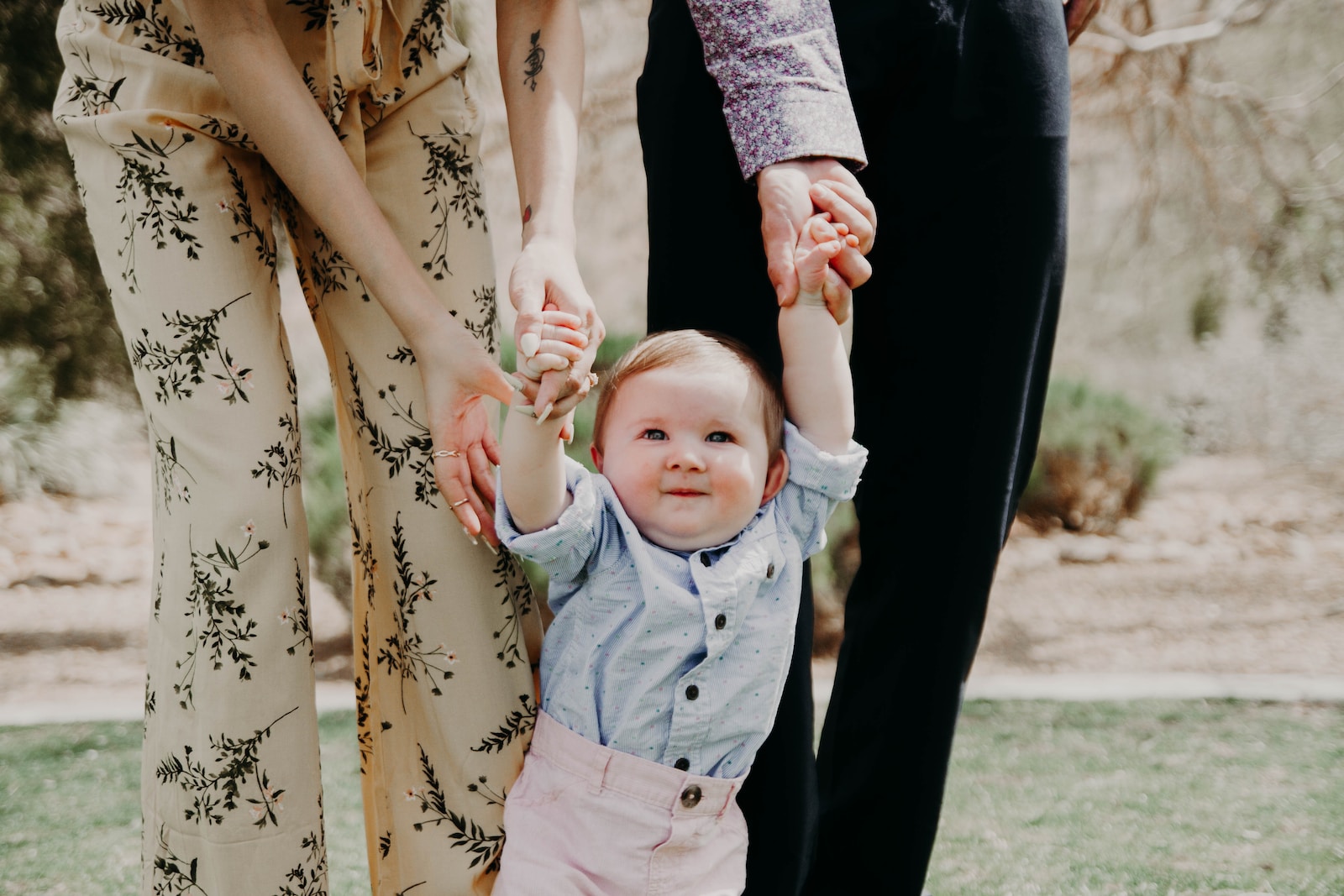
The Impact of Child Adoption Understanding the Effects on Children and Families
The Impact of Child Adoption: Understanding the Effects on Children and Families
Adoption is a profound and life-altering experience that impacts not only the child being adopted but also the families involved. Understanding the effects of adoption on children and families is crucial in providing adequate support and care throughout the entire process. This article delves into the multifaceted impact of child adoption, shedding light on its effects and the ways in which it shapes the lives of those involved.
Effects on Children
Emotional Well-being
The emotional impact of adoption on children is significant and varied. For some, it can lead to feelings of abandonment and loss, especially if they have memories of their biological family. On the other hand, adoption can provide a sense of stability and security for children who may have experienced neglect or instability in their early years. Understanding these emotional complexities is essential in providing tailored support to help children navigate their feelings and experiences.
Identity Formation
Adoption often raises questions about identity for children. They may grapple with understanding their roots, cultural heritage, and genetic background. This journey of self-discovery can be both enriching and challenging, requiring sensitive guidance and resources to help children build a strong sense of self-identity.
Developmental Trajectory
The developmental trajectory of adopted children can be influenced by their early life experiences, the age at which they were adopted, and the quality of care provided post-adoption. It’s important to recognize that these factors can impact cognitive, social, and emotional development, necessitating specialized attention to address any potential developmental gaps.
Effects on Adoptive Families
Adjustment and Bonding
For adoptive families, the adjustment period after adoption can be both rewarding and demanding. Building a strong bond with the adopted child while navigating the unique challenges that come with adoption requires patience, understanding, and access to support services. Recognizing the nuances of this adjustment phase is crucial in helping families create a nurturing environment for the child.
Family Dynamics
Adoption inevitably reshapes family dynamics. Siblings, extended family members, and the adoptive parents themselves undergo a transformation as they integrate the new family member. Understanding the shifts in roles, relationships, and communication patterns within the family unit is essential in promoting healthy and supportive interactions among all family members.
Support Systems
Adoptive families often require robust support systems to address the specific needs that arise from adoption. Access to counseling, community groups, and educational resources can significantly aid families in navigating the complexities of adoption and addressing any challenges that may emerge along the way.
Conclusion
In conclusion, the impact of child adoption reverberates through the lives of children and families in profound ways. By understanding the emotional, psychological, and developmental effects of adoption, we can better equip ourselves to provide comprehensive support and care for those involved. Acknowledging the complexities of adoption and its lasting influence is pivotal in ensuring the well-being and resilience of both adopted children and their families.


